Renal Scan Exam Prep
Find out when you book
Renal Scan Locations
Find out when you book
Medically reviewed by Dr. Eric Lenza, MDCM, MSc, FRCPC
What is a renal scan?
A renal scan is a nuclear medicine test of your kidneys and collecting system. It can see how your kidneys are working and how well urine is flowing to your bladder. Renal scans can also assess blood flow to your kidneys and check for inflammation and infection.
Renal scans may be ordered to:
- Check blood flow into and through the kidneys
- Look for blockages or leaks
- Assess damage from injury or infection
- Check the function of a transplanted kidney
How does a renal scan work?
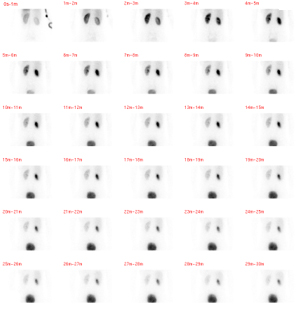
A small amount of radioactive material is injected into your body. Gamma cameras detect that radiation, and we take a video of your kidneys processing the radiotracer in your blood and passing it into urine. In some cases, 3D images of the kidneys are also obtained.
There are two main types of renal scans:
Diuretic Renal Scan
A diuretic renal scan traces the production and flow of urine through your body. The cameras take a series of images of your urinary system. This includes your kidneys, ureters (the tubes that drain into your bladder), and bladder.
Captopril (Renovascular Hypertension) Scan
A captopril renal scan tracks the flow of blood into your kidneys. It can tell us if the arteries bringing blood to your kidneys are narrowed. A narrowing, or stenosis, means your kidneys aren’t getting enough blood. It’s one cause of high blood pressure or hypertension. In some cases, a baseline exam without captopril might be required on another day.
How do I prepare for a renal scan?
Our team will provide complete details at the time of booking; however, you will have to drink some water before your exam to help with imaging. More specifically:
- Drink 1 liter of water, 1 hour before the scan
- Depending on the type of renal scan, you may be given further instructions
What to Expect During a Renal Scan
- The exam will take about 45 minutes.
- A technologist will take your medical history and explain the procedure.
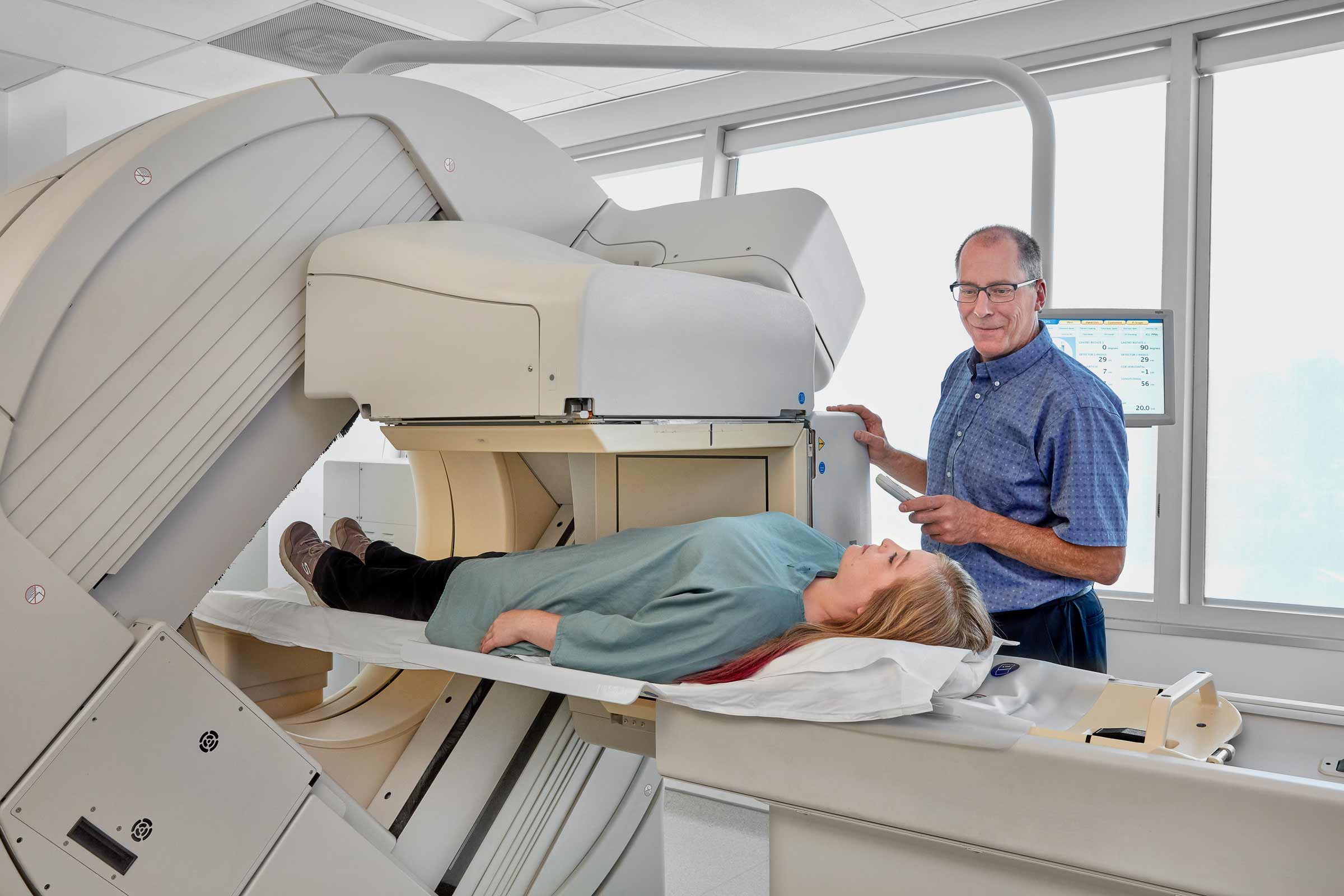
- You’ll be positioned on the scanning bed.
- The radiotracer will be injected into your arm through an IV.
- You’ll lie on your back for about half an hour while the cameras rotate around you. A series of images will be taken at timed intervals.